Upland, rainfed, one crop
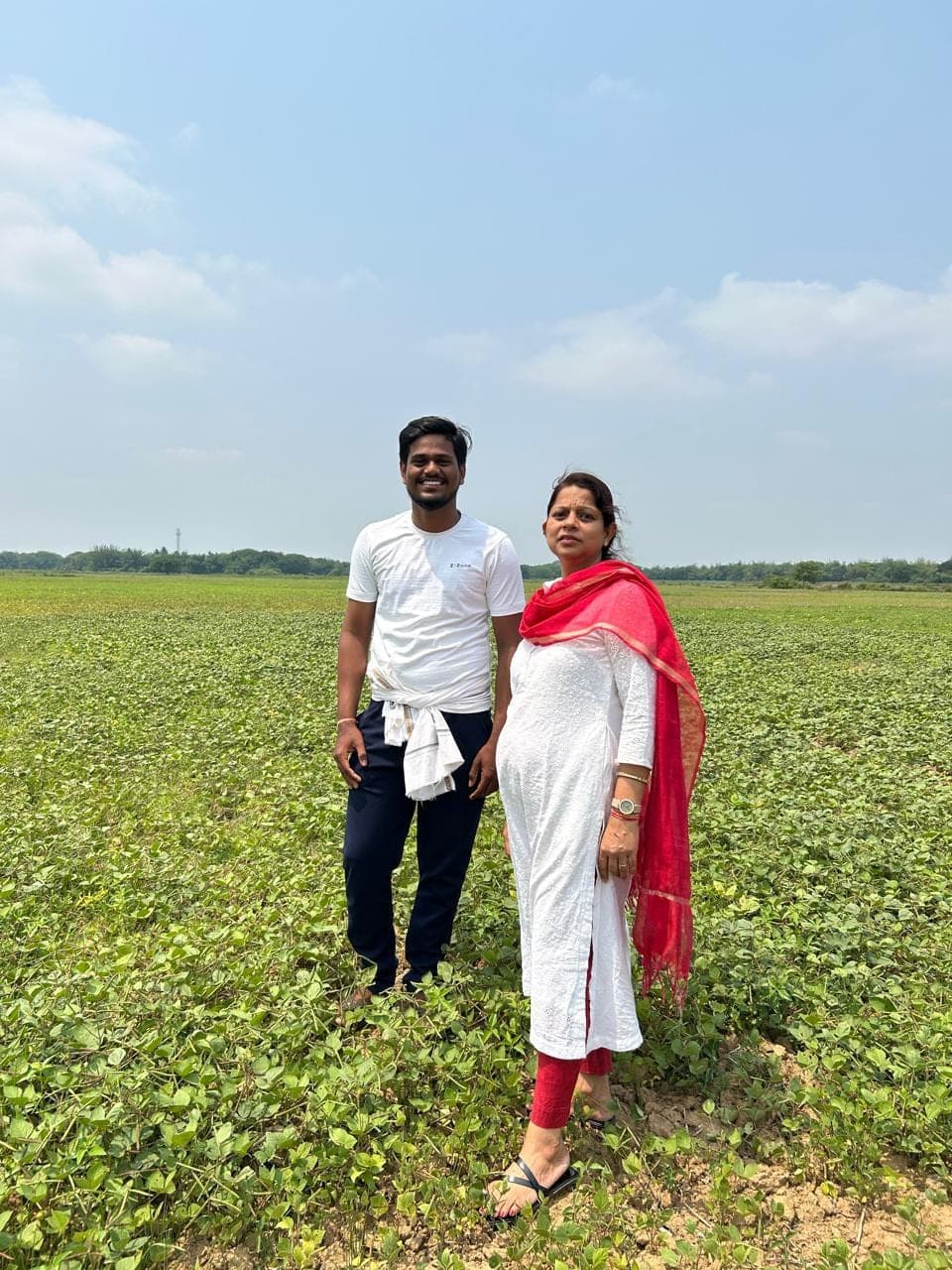
Rayagada's paddy grows on hill plots without assured irrigation. One crop, and its size is decided by whether the monsoon arrives when it is supposed to. There is no second attempt if it does not.
The producer groups here are women-led. That is a description of who does the work, not a marketing position — and it shapes the operation, because the grading floor runs on the same schedule as everything else these households are responsible for.
What grading actually is
Sorting, weighing, labelling. Stated that plainly it sounds like a formality. In practice it is the step that decides whether anything downstream can be trusted, because it is the last point at which a human being looks at the grain and can still say no.
Broken grain comes out. Immature grain comes out. Foreign matter comes out. What remains gets weighed and labelled against the group it came from, before it leaves the village and while the people responsible for it are still standing next to it.
Why the machine wins on paper
A mechanical sorter is faster, cheaper per kilogram and more consistent on the specific defect it is calibrated for. On throughput it is not a close contest, and pretending otherwise would be dishonest.
But mechanical sorting sits downstream, at the mill, after lots have been pooled. By the time the machine sees the grain, the question of which village it came from has already been answered with a shrug. Efficiency at that stage is bought by giving up the only information that makes single-origin a meaningful claim rather than a decorative one.
The efficient move is to blend until the volume justifies the run. That is also the move that makes origin meaningless.
The arithmetic
Grading in the village keeps the labour and the payment for it inside the district, instead of exporting both to a processing town. It makes the lot traceable, which is what allows it to be sold on origin rather than on weight. And it puts the quality decision in the hands of the people whose name is on the bag.
It also means a lot can be rejected by the group before a buyer ever sees it, which happens, and which is the part of the arrangement that actually proves it works.
Across the seven districts we source from, this is the pattern we have tried hardest to keep: the grading stays where the growing happened. It is slower everywhere it is true, and it is the reason a pack can be traced back to a group at all.