06Abeja Labs · Advisory

Empowering producers, enriching the collectives behind them.

We design and deliver rural livelihood work, then stay long enough for the market linkage to hold.

Service lines
3
Brands launched
13+
Districts
7
Women in livelihood
300+
01The premise

Rural producer groups are trained to grow. Rarely to sell.

Most livelihood programmes end where production capability begins, on the assumption that a capable group will find a market on its own. It rarely happens. Selling is a different skill set, and it is consistently the one nobody funded.

Abeja Labs is the practice that covers it. Costing, pricing, packaging, label compliance, the records a buyer will ask for, and the first orders that turn a launch into a business. Delivered with partners whose reach into the groups is what makes the work possible at all.

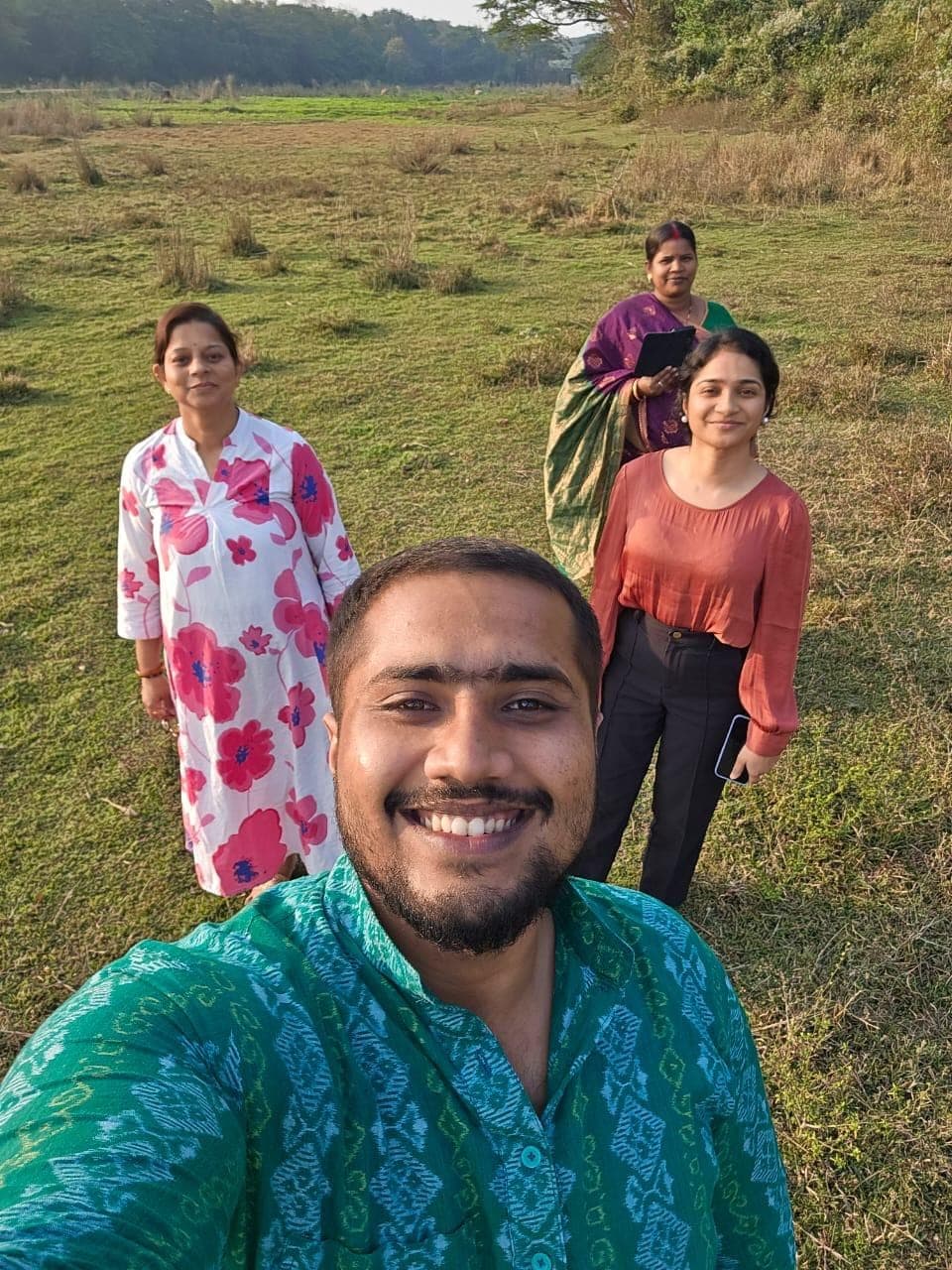
The myefarm team on a field visit with a producer group
01

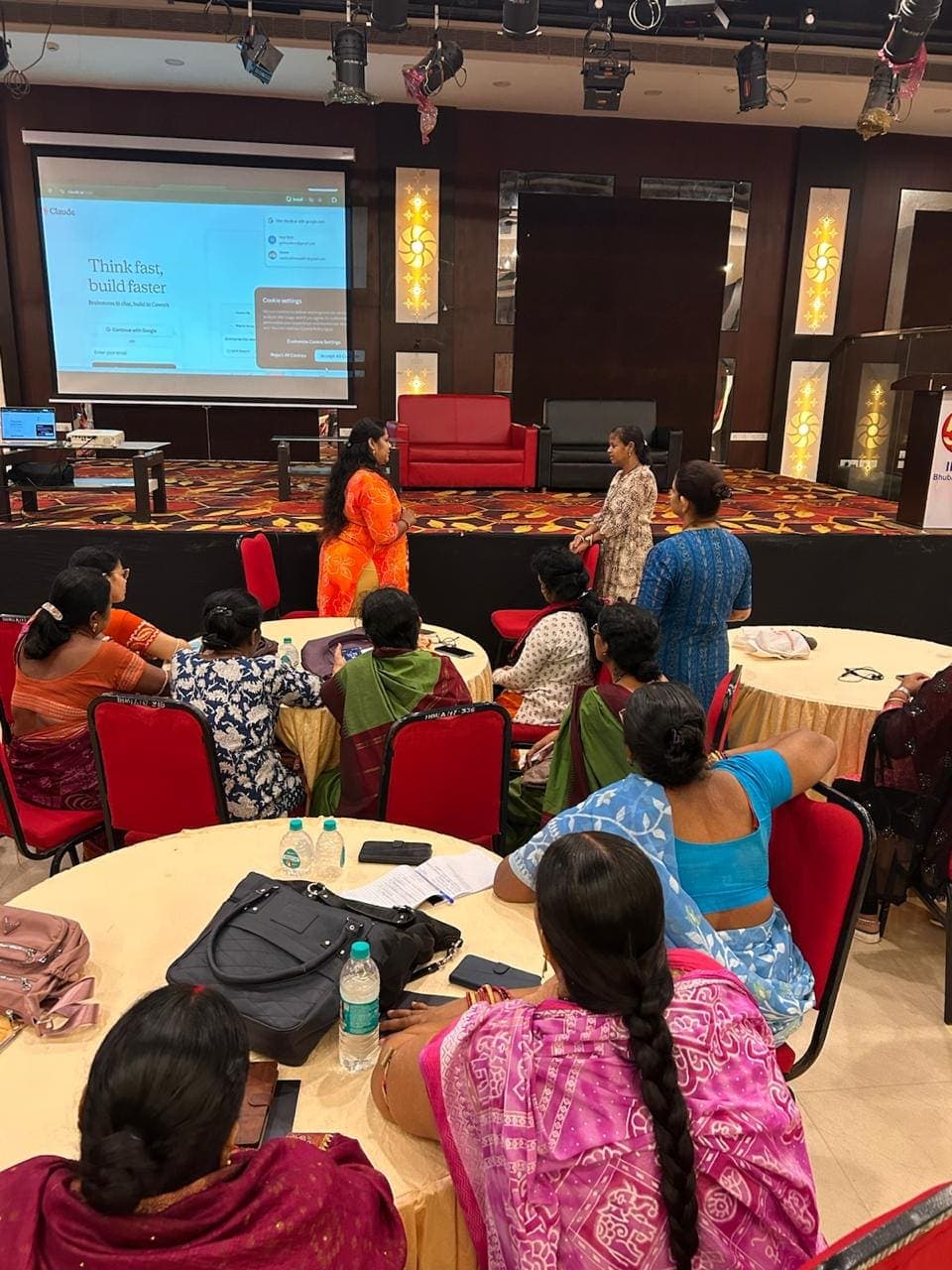
SHG & Entrepreneurship Training

Structured programmes for rural women on the parts of an enterprise that training usually skips.

Most rural livelihood training covers production. How to grow it, how to process it, how to keep it clean. That work is largely done, and done well, by organisations that have been at it for decades.

What tends to be missing is everything after production. What a unit actually costs to make. What it has to sell for. What a buyer will ask for before they place a second order. Which records have to exist for a compliance check to pass. Those are the sessions we run.

Delivered with partners including Gram Vikas and IHM Bhubaneswar, whose reach into the groups is what makes the programmes worth running at all.

What it covers

  • Enterprise basics and unit costing
  • Pricing, margin and record-keeping
  • Quality standards and label compliance
  • Buyer expectations and repeat-order discipline

Delivered with

  • Gram Vikas
  • IHM Bhubaneswar
Women from Self-Help Groups at an entrepreneurship training session
02

NGO & CSR Project Delivery

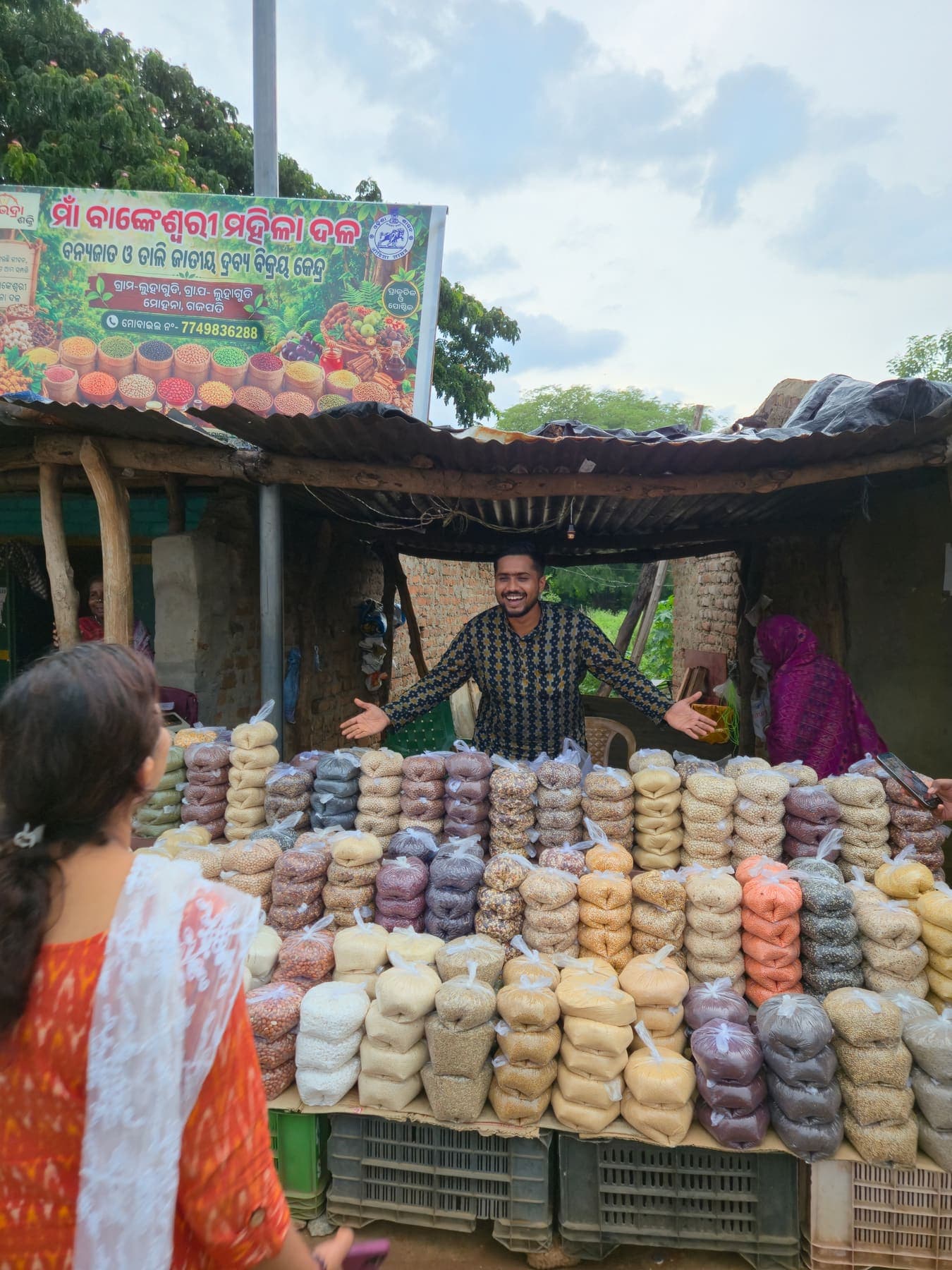
Rural livelihood projects designed, delivered and handed over, with the market linkage still standing afterwards.

A livelihood project that ends at handover tends to end, full stop. The groups are capable, the equipment is installed, the report is filed, and then the buyer who was going to make it viable never materialises.

We design and deliver the whole arc, then stay past the point where the funding cycle closes, because market linkage takes longer to hold than a project timeline allows for.

The Kandhamal programme with Madhyam Foundation and the lemon-oil processing unit in Gajapati are both this shape: built with the collective, operated by the collective, still selling after the project closed.

What it covers

  • Baseline study and programme design
  • Infrastructure and processing unit setup
  • Delivery, monitoring and reporting
  • Handover with market linkage intact

Delivered with

  • Madhyam Foundation
  • Gram Vikas
A producer collective market stall with its programme banner and graded produce packs
03

Brand Launch & Market Linkage

For groups ready to own the brand rather than supply someone else's.

Not every group should have its own brand, and we say so. A brand is an obligation: consistent quality, standing compliance, someone who can answer a buyer's call. Groups that cannot carry that are better served selling quality-verified produce under myefarm.

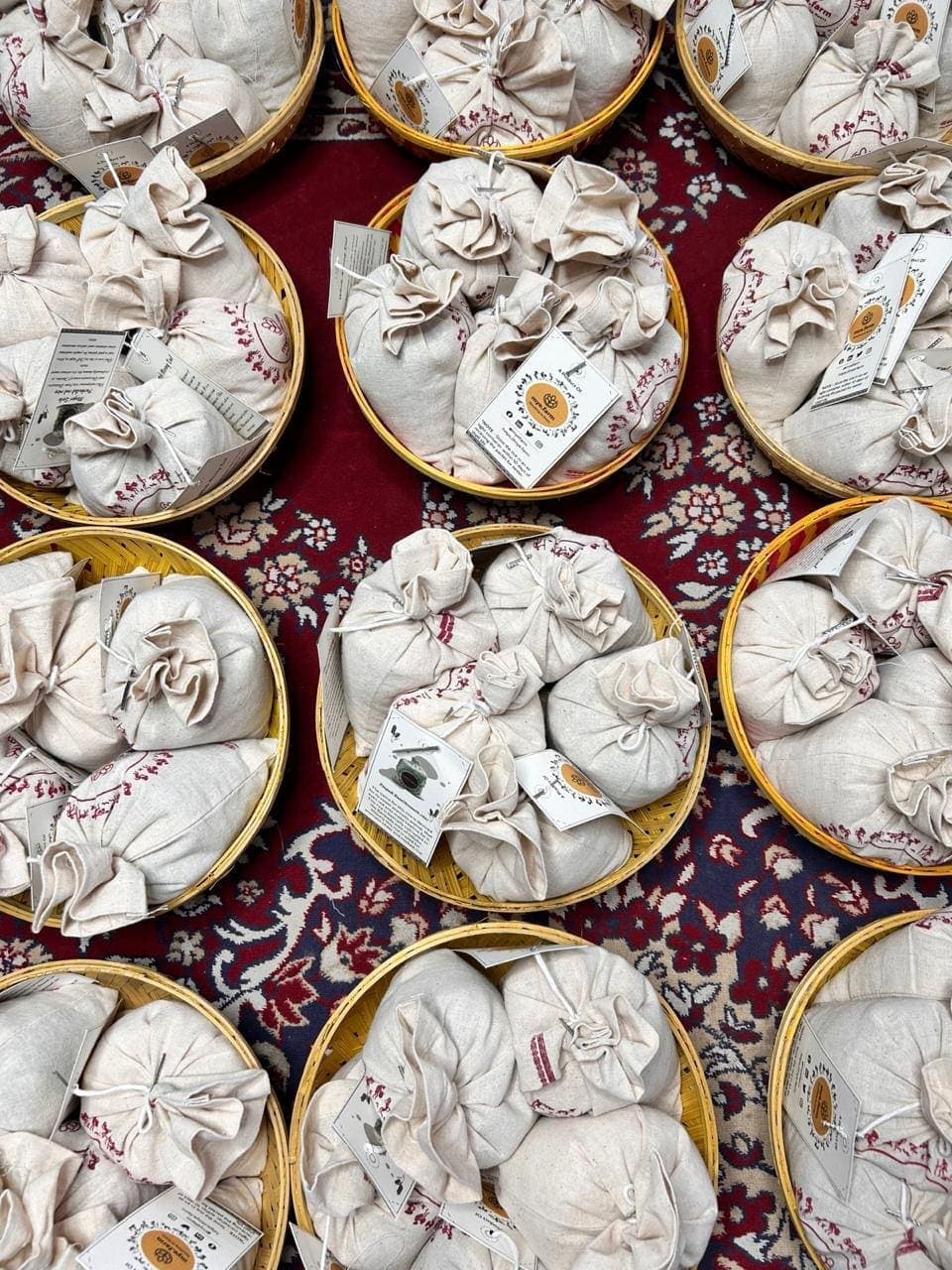
For the ones that can, this is the full launch. Naming, packaging design, label compliance, a price that survives contact with a retailer, and the first orders that turn a launch into a business.

Thirteen brands have gone out this way. The measure that matters is not the launch count but how many are still trading without us.

What it covers

  • Naming and brand identity
  • Packaging design and label compliance
  • Cost-up pricing and margin structure
  • First-order market access and buyer introductions

Delivered with

  • Gram Vikas
  • Madhyam Foundation
Muslin-wrapped branded pouches arranged in cane baskets, packed for a first market order
05Who we work with

Programme and training partners.

Collaborations built one delivered programme at a time, not one memorandum at a time.

  • Programme partnerGram Vikas
  • Programme partnerMadhyam Foundation
  • Training partnerIHM Bhubaneswar
06The honest version

Not every group should have its own brand.

A brand is an obligation: consistent quality, standing compliance, somebody who can answer a buyer's call. Handed to a group that cannot carry it, it fails publicly and takes their confidence with it. Groups that are not there yet sell quality-verified produce under myefarm instead, which is not a lesser outcome.

How the two doors work
07What we measure

Not how many brands launched. How many are still trading without us.

Market linkage takes longer to hold than a project timeline allows for, so handover is not treated as completion.

Work with the practice

Tell us what the programme has to achieve and which groups it covers. We will tell you honestly whether we are the right practice for it.